A black eye requires more than just concealer to look natural. The bruise’s specific hue, whether purple, blue, or yellow, will determine which corrector works best for your skin tone. Understanding color theory is key to achieving seamless coverage.
Green correctors neutralize red and purple tones effectively. For deeper discoloration that leans toward brown or yellow, peach or yellow correctors work better. Applying the right corrector first creates an even base before any concealer goes on.
Full-coverage concealers applied in thin, targeted layers build the foundation for flawless results. Rather than one thick application, multiple light layers blend more naturally with surrounding skin. This approach prevents the makeup from looking cakey or settling into fine lines.
Blending remains the real challenge when covering a black eye. Use a damp beauty sponge to gently tap and feather the edges, ensuring no harsh lines remain visible.
Setting powder locks everything in place while maintaining that natural finish.
Evaluate Your Bruise: Why Color and Stage Matter
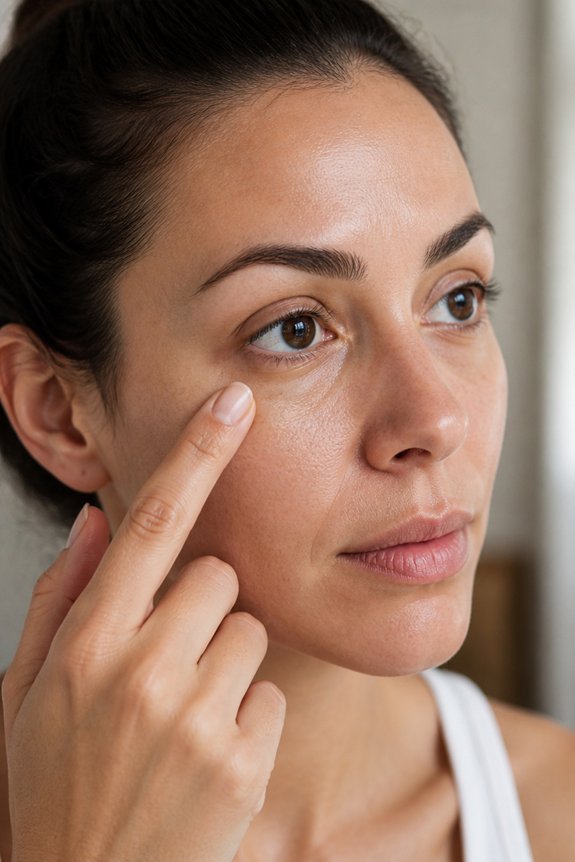
Your bruise’s color tells you everything about what it needs. Fresh bruises look red or purple, so you’ll want a corrector before any concealer touches your skin. As days pass, bruises shift from blue to green to yellow, and each color needs its own approach.
Red and purple bruises respond best to yellow or peachy correctors. These shades neutralize that angry redness. Green correctors work magic on blue and purple tones because opposite colors cancel each other out.
Also Read: How to Cover a Black Eye Without Makeup
Prime Your Skin With Moisturizer and Base
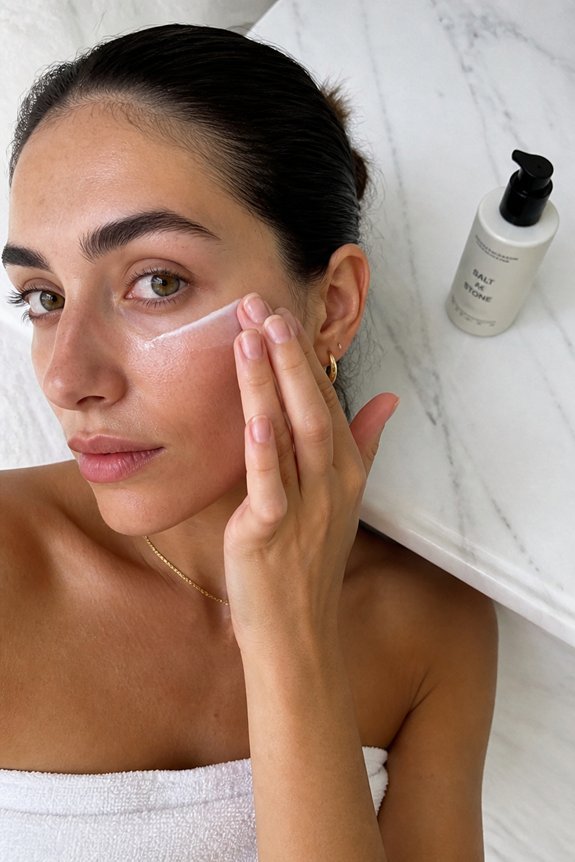
Start with a hydrating moisturizer on clean skin. Wait a couple minutes so it sinks in fully. This step matters because it prevents makeup from clinging to dry patches and fine lines around your eyes.
Next comes a color-correcting primer made for sensitive skin. These products have silicones that smooth out texture and help makeup stick around longer. Green-tinted primers work best on fresh, red bruises. If your bruise has shifted to purple tones, reach for a yellow-based primer instead. Use your fingertips to apply it gently, since the under-eye area is delicate. Let it set for about a minute before you add concealer.
Also Read: What Lipstick Goes With Smokey Eye Makeup
Choose the Right Color Corrector for Your Tone
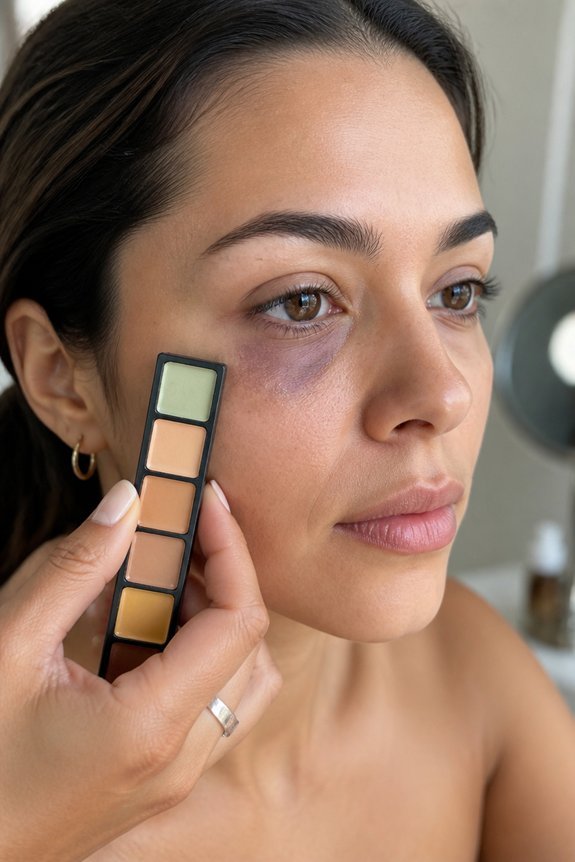
Color correction is what makes concealer actually work. The right corrector shade neutralizes discoloration before you add any coverage.
Purple and blue bruises? Use yellow or peachy correctors to cancel them out. Red and pink marks respond best to green correctors. For deeper skin tones, Fenty Beauty’s Pro Filt’r Color Corrector in Green or warm peach shades work great. If you have lighter skin, try subtle yellow bases like MAC Fix+.
Gently apply your corrector with a damp beauty sponge across the bruised area. Pat the product on instead of rubbing it in. Let it set for a moment before moving to your concealer. This simple step neutralizes discoloration and keeps your makeup looking fresh all day long.
Apply and Layer Concealer for Full Coverage
Pick a full-coverage concealer once your color corrector is set. Something creamy and high-pigment like Estée Lauder Double Wear or MAC Face and Body works best. These formulas give you an opaque base that covers remaining discoloration.
Use a damp beauty sponge to apply thin, precise strokes right over the bruised area. Build coverage with multiple lightweight layers instead of one thick coat. This keeps things looking natural and prevents caking. Set each layer with translucent powder to keep everything locked in place.
Start with the darkest spots first. Extend your application slightly outward from there. Layering like this gives you professional, long-lasting results that blend seamlessly with your skin.
Blend Edges and Set With Foundation
Grab a damp beauty sponge and gently tap along the concealer’s edges. You’re basically feathering it into your skin to erase any harsh lines. This softens the transition so nobody can spot where your cover-up begins and ends.
Next, apply foundation that matches your skin tone over the concealed area and a bit beyond. This creates one smooth, unified complexion instead of obvious patches. Once you’re happy with the blend, dust translucent powder over everything using a fluffy brush. Press it in rather than sweeping to keep those layers intact and prevent creasing where your face moves.
Check your work in natural light to see if the blending looks seamless. Finish with a setting spray if you need coverage to last through an active day. You’ll get around twelve hours of durability this way.
Lock in Place With Powder and Setting Spray
Start with a translucent powder and a fluffy brush. This combo keeps your concealer exactly where you put it without feeling heavy or looking cakey. Less is more here, so use a light hand to avoid that chalky finish that highlights the very thing you’re trying to hide.
A good setting spray seals everything in place. Urban Decay All Nighter and MAC Fix+ both work well for this. Spray in an X pattern across your face to get even coverage without overdoing it.
Together, powder and spray create a barrier that stops your concealer from sliding into fine lines or creasing when you move. You’ll stay covered through your entire day without needing to touch up mid-shift.
Black Eye Makeup by Skin Tone and Bruise Stage
Black eyes need more than basic concealer. You’ll want to match your approach to both your skin tone and how far along the bruise is in healing.
Fresh bruises look deep purple and blue. Reach for yellow or orange correctors to neutralize those colors before adding concealer on top. Once the bruise shifts to green and yellow tones, switch to peachy or salmon correctors instead.
Your skin tone matters just as much as the bruise stage. If you have deeper skin, warm-toned concealers with red or golden undertones work best. Fair skin typically looks better with cooler, pinker shades. Medium tones do well with neutral peachy formulas.
The key is using colors that sit opposite each other on the color wheel. Apply your corrector first, then layer a full-coverage concealer over it. Finish with translucent powder to keep everything locked in place and prevent creasing.
Frequently Asked Questions
How Long Does It Typically Take for a Black Eye to Heal Completely?
A black eye typically heals completely within one to three weeks. The duration depends on the injury’s severity, the individual’s age, and overall health. Bruising usually peaks around two to three days before gradually fading.
What Are the Best Ways to Prevent Black Eyes From Occurring in the First Place?
Approximately 2.2 million facial injuries occur annually in the United States. One prevents black eyes through protective eyewear during contact sports, maintaining situational awareness, practicing proper boxing technique, and avoiding confrontational situations.
Can I Wear Makeup if My Black Eye Has Open Cuts or Broken Skin?
One should avoid applying makeup over open cuts or broken skin around the eye area. Doing so risks infection and delays healing. Instead, allow wounds to close completely before attempting any cosmetic coverage.
Which Makeup Brands Offer the Most Long-Lasting Concealers for Bruise Coverage?
Several brands dominate the long-wear concealer market. Dermacol, known for exceptional coverage, remains unmatched. MAC Face & Body and Estée Lauder Double Wear follow closely. Urban Decay Naked Skin and NARS Radiant Creamy offer superior staying power for demanding applications.
Should I See a Doctor Before Applying Makeup to a Black Eye?
A doctor should evaluate any black eye before applying makeup, particularly if accompanied by vision changes, severe pain, or head injury. Medical assessment guarantees no underlying damage exists before cosmetic coverage.
Conclusion
Concealing a black eye requires patience and precision. While bruises fade naturally over time, strategic color correction and layering accelerate the process dramatically. Green neutralizes red undertones; peach and yellow address purple and blue discoloration. Full-coverage concealers in thin layers build opacity without appearing cakey. Setting spray locks everything down, preventing creasing throughout the day. Mastering these techniques transforms visible trauma into undetectable skin, restoring confidence when it matters most.