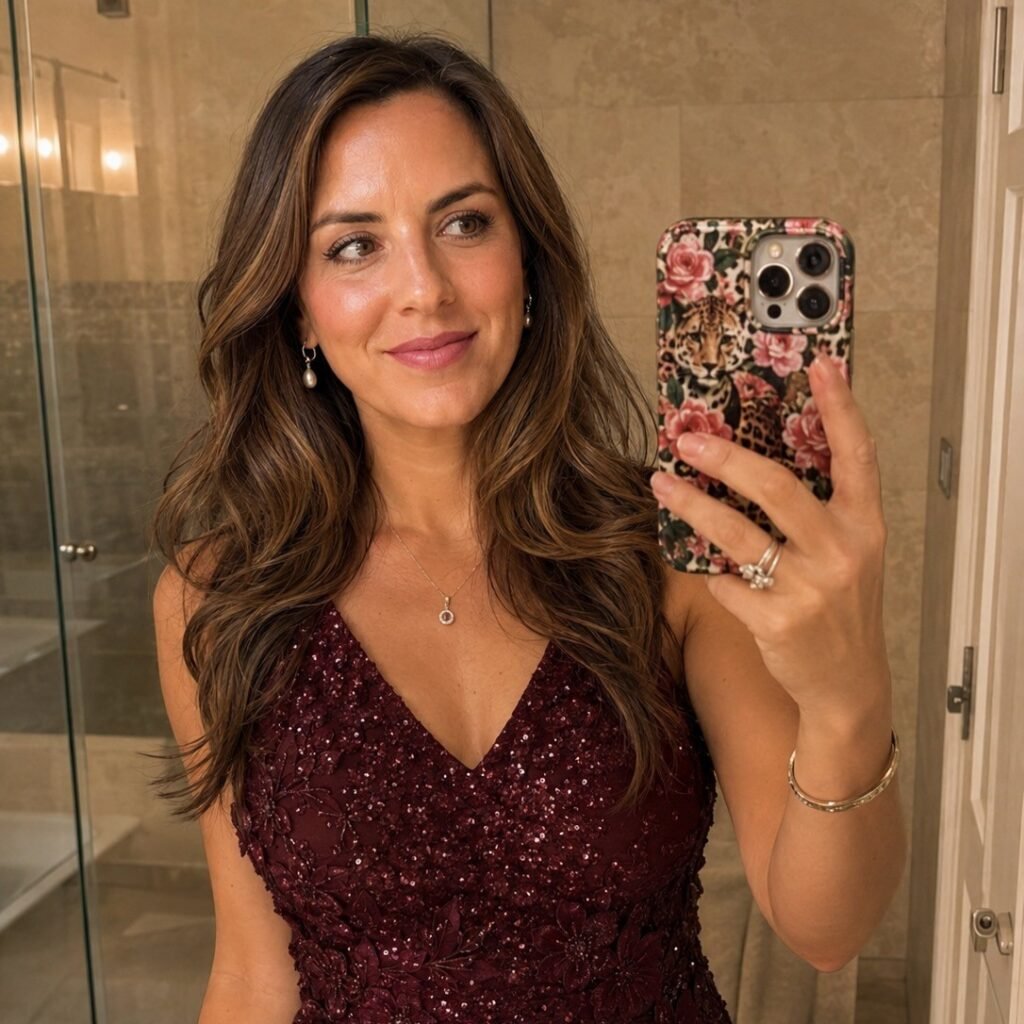
A black eye calls for creative solutions that go well beyond what makeup can do.
Oversized sunglasses work wonders by instantly shielding the bruising while drawing focus elsewhere on your face. This simple accessory is often your quickest fix.
Hairstyling offers another powerful layer of concealment. Side-swept bangs or tousled waves create natural shadows that cover the affected area beautifully. These styling choices work in virtually any lighting condition without looking forced.
Dermatologists recommend cold compresses during the first few hours to reduce swelling significantly.
Sleeping with your head elevated on extra pillows helps minimize puffiness overnight. These techniques address the problem at its source rather than just masking it.
The real secret lies in combining multiple approaches at once.
Styling experts call this dimensional coverage, where sunglasses, hairstyle adjustments, and strategic positioning work together. When layered properly, this method creates genuinely convincing concealment that holds up throughout the day.
Hide Your Black Eye With Sunglasses or Tinted Glasses
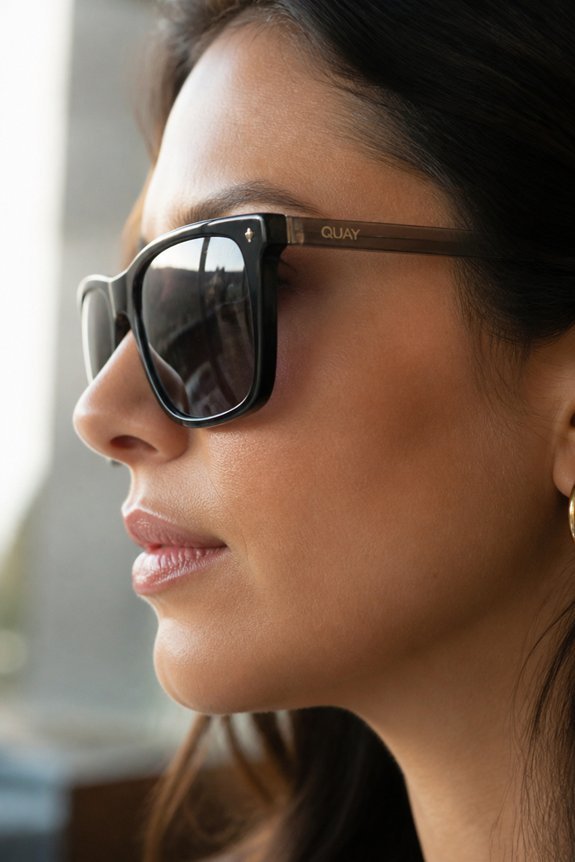
Sunglasses are your quickest fix for a black eye. Oversized frames cover the whole eye area without any fuss. Cat-eye styles give you that vintage vibe while keeping the bruised area hidden.
Brown and amber tinted lenses work great for concealing discoloration. They cut down glare and hide bruising without standing out during the day. Mirrored sunglasses bounce light away from your face, which draws attention elsewhere. Polarized lenses make healing more comfortable by protecting your skin from sun damage while you recover.
Wear Clothing That Steals Attention Away From Your Face
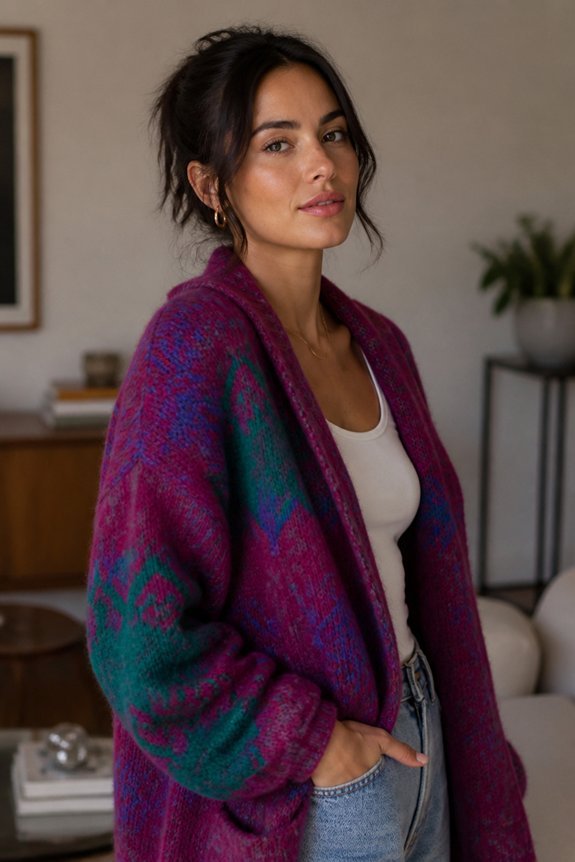
Bold patterns and vibrant colors naturally pull the eye downward. Your gaze shifts from face to body when there’s visual interest lower down. Think horizontal stripes, colorful prints, or eye-catching textures.
Structured jackets and layered necklaces work wonders too. A statement blazer commands attention through its cut and shape. Pendant jewelry at chest level creates focal points that redirect focus away from your face.
Oversized sweaters and turtlenecks offer coverage while looking intentional and stylish. Textured fabrics like velvet or corduroy add depth and dimension. These choices draw attention to your outfit rather than your skin.
Scarves, statement rings, and embellished belts complete the look. When you accessorize purposefully, people notice your style choices first. Your temporary injury fades into the background.
Use Cold Compresses to Reduce Swelling and Bruising

A black eye responds best when you act fast. Ice in the first 24 hours makes a real difference in cutting down swelling and dark marks. Wrap ice packs in clean cloth and apply them for 15 minutes at a time, several times throughout your day.
Cold therapy works by tightening blood vessels under your skin. This stops fluid from building up in that area. Gel eye masks made for facial injuries are great if you have them on hand. Frozen peas or corn wrapped in a thin towel work just as well and cost much less. The key is never putting ice straight on your skin.
After two days, switch to heat instead. Warmth gets your blood moving again and helps your body heal faster. This hot and cold combo, paired with smart clothing choices, really does help hide a black eye.
Also Read: What Lipstick Goes With Smokey Eye Makeup
Cover With a Hat or Headband for Quick Concealment
A good hat does wonders while ice and heat work their magic underneath. Wide-brimmed styles like fedoras naturally shadow the eye area without looking like a costume. Baseball caps work great for everyday situations too, just wear the brim lower than usual.
Headbands offer a sleek option if hats aren’t your thing. Look for structured fabrics that keep their shape all day long. Position yours a bit lower than normal to hide bruising effectively while still looking natural.
Scarves and beanies together create layered coverage that feels effortless. The trick is picking accessories that fit your normal style, so nothing looks forced or intentional. You stay comfortable and confident while you heal.
Adjust Your Hairstyle to Shadow the Injured Area
Your hair can do the heavy lifting when it comes to coverage. Long side-swept bangs work great for hiding bruises around the eyes. Let them fall naturally across the affected side to create soft shadows.
Layered cuts give you built-in dimension for concealment. The texture catches light in different ways, which helps hide discoloration underneath. Try texturizing sprays for extra volume right where you need it most.
Tousled waves beat sleek styles every time. Texture breaks up light reflection that would normally draw attention to bruising. A side part naturally guides eyes away from injured areas while keeping your look relaxed.
The best part? You skip makeup entirely. Your hair becomes your concealment tool through smart positioning and movement.
Apply Vitamin E Oil to Speed Up Healing
Beyond styling tricks, your skin needs real support to heal faster. Vitamin E oil does this by cutting down inflammation and helping cells repair underneath the bruised tissue. Apply a small amount twice a day to the area using gentle circular motions with your fingertips.
Dermatologists suggest pure vitamin E oil or products with tocopherol as the main ingredient. Cederroth Vitamin E Oil and The Ordinary’s Vitamin E Squalan blend are solid choices. Both sink in well without leaving heavy residue that gets in the way of your hairstyle coverage.
The oil acts as a protective layer while boosting collagen production under your skin. You’ll likely see results in 3 to 5 days if you stick with it. Applying small amounts regularly beats using more product once in a while. This pairs well with your hairstyle adjustments for the best coverage strategy.
Use Aloe Vera Gel to Fade Discoloration Faster
For the best results, pop your aloe vera gel in the fridge first. The cold helps shrink blood vessels while the gel works deep into damaged skin. You’re tackling swelling and discoloration at the same time this way.
Stick with it daily to see real changes. Most people notice fading show up within five to seven days. Cover the area with loose cotton clothing to protect it while your skin heals naturally.
Sleep With Your Head Elevated to Minimize Puffiness
Gravity is your friend here. When you sleep with your head raised, fluid flows away from your face instead of settling around your eyes. Two or three pillows should do the trick.
You’ll likely notice results within a day or two. Your lymphatic system works better when you’re slightly inclined, which means less swelling and faster healing. Memory foam pillows keep your head at the right height all night long.
Add a silk pillowcase to the mix. It reduces friction that can make inflammation worse. Stick with this setup every night, and you’ll see noticeably smoother skin within days.
Position Yourself in Low Lighting to Hide Shadows
Your environment matters more than you might think. Dim spaces naturally hide bruising because shadows blend together instead of standing out. Skip overhead lights entirely, as they create harsh contrasts that make discoloration pop.
Warm lighting from lamps or candles works in your favor. These softer sources smooth out the eye area and reduce the harsh shadows that draw attention. Restaurant booths and dimly lit offices become your best spots during healing.
Fluorescent lights are your enemy. They’re bright and cool-toned, which actually highlights bruising and swelling. Choose spaces with layered, gentle lighting instead.
The best part? This costs nothing. You’re just picking better locations as you move through your day until things improve naturally.
Layer Multiple Tactics for Maximum Coverage
Start with a color-correcting primer under your eyes. This neutralizes purple and blue tones that make bruising more visible. Follow up with a full-coverage concealer that matches your skin tone, then blend it gently using a damp sponge.
Lock everything in place with translucent powder. This prevents creasing and makes your concealer last longer throughout the day. The layering approach works because it builds coverage gradually without looking heavy or mask-like.
Now bring attention upward by adding a luminizing highlighter to your inner eye corner. Place a matte contour shade along your orbital bone to add dimension. These final touches create professional-looking results that feel natural on your skin.
Frequently Asked Questions
How Long Does a Black Eye Typically Take to Heal Completely?
A black eye typically heals within one to three weeks, depending on severity. Minor bruising may fade in seven to ten days, while more significant injuries require two to three weeks for complete resolution and discoloration disappearance.
What Causes Black Eyes and Can They Indicate Serious Injury?
Black eyes result from blunt facial trauma causing blood vessel rupture and tissue swelling around the eye. While usually minor, they can indicate serious injuries like orbital fractures, retinal damage, or internal bleeding requiring immediate medical evaluation.
Are There Any Medical Treatments That Speed up Black Eye Recovery?
Medical treatments can help turn the tide on black eye recovery. Arnica gel, vitamin K cream, and laser therapy reduce bruising and swelling. Cold compresses initially, then heat application accelerates healing within one to two weeks.
When Should I See a Doctor About a Black Eye?
A person should see a doctor if a black eye involves severe pain, vision changes, bleeding that won’t stop, or if the injury resulted from significant head trauma. Medical evaluation is also recommended for black eyes accompanying other concerning symptoms.
Can Black Eyes Be Prevented, and What Are Common Causes?
Black eyes are practically inevitable in a contact sport or clumsy lifestyle. Common causes include facial trauma, fighting, accidents, and falls. Prevention requires protective equipment, situational awareness, and avoiding confrontations whenever possible.
Conclusion
A black eye resembles a storm cloud passing overhead—temporary but commanding attention. Strategic layering transforms visibility challenges into style opportunities. Combining oversized sunglasses, volumized side-swept bangs, and elevated sleeping positions works like clouds parting after rain. Within days, these coordinated tactics accelerate healing while maintaining confidence. The injury fades naturally, but the lesson endures: simple, intentional choices create powerful solutions.