
Eye makeup can definitely increase your risk of developing pink eye, though many people don’t think about this connection. Bacteria and fungi love to grow on mascara wands, eyeliner pencils, and makeup brushes.
When these contaminated tools touch your delicate eye tissues, they transfer germs directly into your eyes. The infection spreads quickly once bacteria reach your eye area. Pink eye symptoms like redness, itching, and discharge can appear within hours of exposure to contaminated makeup.
Sharing makeup products with others makes this problem even worse, since you’re essentially sharing their germs too. Preventing this issue comes down to basic hygiene habits that most people overlook.
Replace mascara every three months, wash brushes weekly with soap and water, and never share eye makeup with anyone. Keeping your hands clean before touching your eyes or applying makeup also makes a significant difference.
Proper storage matters just as much as cleanliness. Store makeup in a cool, dry place and throw away any products that look dried out or smell off.
These simple steps keep your eyes healthy and help you avoid the discomfort of pink eye altogether.
How Makeup Causes Pink Eye?
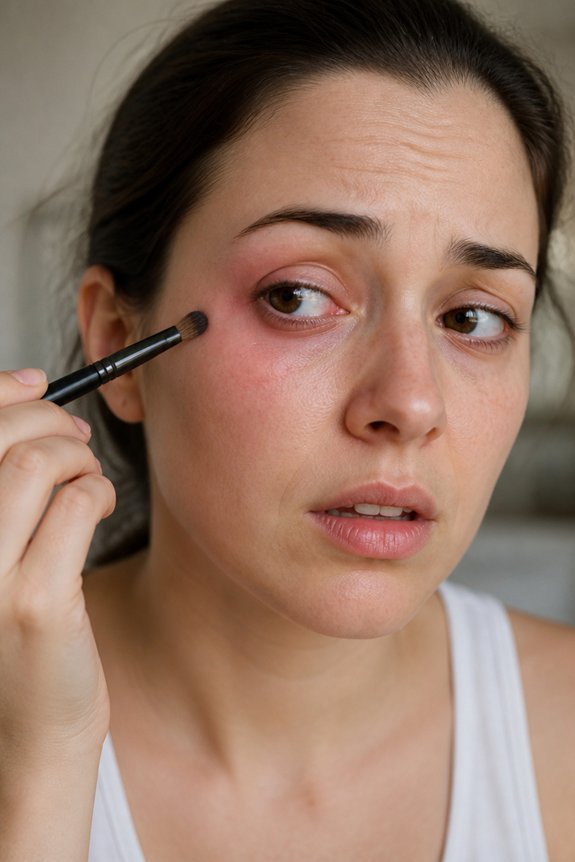
Bacteria, viruses, and fungi thrive in makeup products and applicators. When you touch your eyes with contaminated brushes or fingers, these harmful germs transfer directly to sensitive tissues.
Mascara is a common culprit after three months of use. Expired products become breeding grounds for pathogens. Sharing makeup applicators at beauty counters or with friends significantly increases your infection risk.
The warm, moist space under your eyelids creates perfect conditions for bacterial growth. Dirty eyeliner pencils can scratch your eye’s surface and create openings for infection. Liquid eyeshadows collect more bacteria than powder versions because of their moisture content.
Your hygiene habits matter too. Cleaning brushes with tap water actually introduces more contaminants. Replace applicators monthly and sanitize your tools regularly to keep pink eye at bay.
Also Read: What Is Eye Makeup Primer
What Pink Eye Looks Like and When to Seek Help?
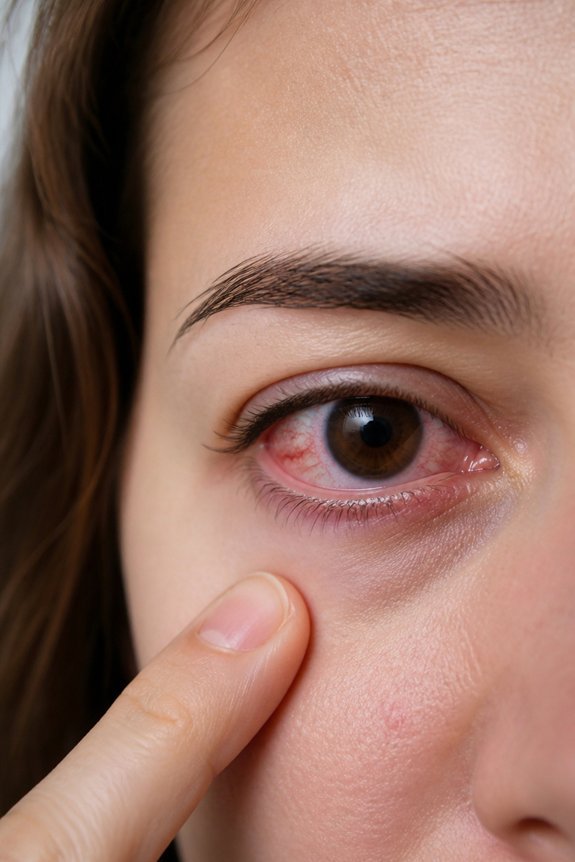
Your eye turns red and starts itching like crazy. You might see a thick discharge that ranges from clear to yellow, and sometimes it crusts up overnight and glues your eyelid shut. Swelling puffs up around your eye, making even thinking about makeup a no-go.
Light suddenly feels uncomfortable, and your eye waters more than usual as it tries to protect itself. These signs show up fast and demand attention.
When should you call a doctor? If symptoms hang around past two days, your discharge looks thick and colored, or your vision gets blurry, it’s time to visit an ophthalmologist. They can figure out if it’s bacterial, viral, or allergic pink eye and tell you what to do next. Getting help early stops complications and keeps you from spreading it to others.
Also Read: How to Disinfect Makeup Brushes After Pink Eye
How to Safely Apply, Store, and Replace Your Eye Makeup?
Storage Essentials
Keep your eye products in a cool, dry spot away from sunlight. Your mascara needs replacing every three months, while liquid liners last about six months. Cream shadows fade faster than powder ones since they’re sensitive to moisture.
Maintenance and Hygiene
Wash your brushes monthly with a gentle cleanser to keep them fresh. Sanitize applicators each week by wiping them with rubbing alcohol on cotton pads. Skip sharing eye products, even with your closest friends.
Organization and Safety
A tidy makeup bag makes a real difference. Toss out expired products right away since old formulas can grow bacteria that irritates your eyes. These simple habits protect both how you look and your eye health.
Makeup Hygiene Habits That Actually Prevent Eye Infections
Clean your brushes weekly with gentle soap and warm water. This simple step stops bacteria from building up on the bristles that touch your eyes.
Never share makeup applicators with anyone else. What seems harmless can actually transfer bacteria between people. Always wash your hands before you put on any eye products.
Take off your makeup every single night with a proper cleanser. Water alone won’t cut it. Replace mascara every three months since bacteria grows fast in the wet formula.
Keep your products in a cool, dry spot away from sunlight. Eyeliner pencils need sharpening regularly to remove bacteria from the tip. Throw away anything that looks off, smells weird, or has separated.
These habits protect you from pink eye and keep your eyes healthy. Small daily actions make a real difference.
When to Replace Mascara, Eyeliner, and Other Eye Products?
Replacement timing matters for keeping your eyes healthy and infection-free. Cream products break down faster than powders, so watch those expiration dates closely.
Change disposable applicators every week. Wash your brushes weekly with mild soap and water. Mascara wands are sneaky bacteria collectors, so they need extra attention.
This simple rotation keeps bacteria away from your delicate eye area. Taking care of your tools is really just taking care of your eyes.
Frequently Asked Questions
Can I Wear Eye Makeup if I Currently Have Pink Eye or Another Eye Infection?
No, individuals should avoid wearing eye makeup during pink eye or eye infections. Makeup can harbor bacteria, worsen inflammation, and prolong infection duration. Waiting until the infection clears completely guarantees proper healing and prevents contamination.
Are Certain Eye Makeup Brands Safer or Less Likely to Cause Pink Eye?
Like a fortress with varying wall strengths, certain brands offer superior protection. Hypoallergenic, ophthalmologist-tested makeup from reputable manufacturers reduces infection risk. Quality matters more than brand prestige; prioritize sterile formulations and proper hygiene practices.
What’s the Difference Between Bacterial, Viral, and Allergic Pink Eye From Makeup?
Bacterial pink eye from makeup involves infection by bacteria, causing thick discharge and requiring antibiotics. Viral variants spread easily with watery discharge. Allergic reactions stem from cosmetic ingredients, producing itching and swelling without contagion.
Can Contact Lens Wearers Safely Wear Eye Makeup Without Increasing Infection Risk?
Contact lens wearers can safely wear eye makeup if proper hygiene protocols are followed. Replacing contacts before applying makeup, avoiding the waterline, and discarding old products minimizes bacterial colonization and infection risk substantially.
Is It Safe to Share Eye Makeup Products With Family Members or Friends?
Sharing eye makeup products is unsafe. Bacteria and viruses transfer easily between individuals, greatly increasing pink eye and other eye infection risks. Each person should maintain separate makeup applicators and products for ideal eye health.
Conclusion
Makeup hygiene isn’t vanity—it’s medicine. A single contaminated mascara wand carries thousands of bacteria like a tiny vehicle transporting danger straight to delicate eye tissue. One woman’s three-month-old mascara caused a severe infection requiring antibiotics. The takeaway: beauty routines demand respect. Replace products on schedule. Clean applicators regularly. Your eyes deserve the same care you’d give any essential organ, ensuring that looking good never compromises feeling healthy.