
Pink eye spreads easily through contaminated makeup brushes, so quick action is necessary. Bacteria and viruses grip bristles tenaciously, and ordinary soap won’t cut it. You need a proper disinfection strategy to stay safe.
The disinfection method you choose depends on your brush materials. Natural bristles require gentler handling than synthetic ones. Each type demands a slightly different approach to avoid damage while killing germs effectively.
Professional makeup artists treat sanitization as non-negotiable, not optional. They understand that skipping this step risks reinfection or spreading the condition to others. Proper technique makes the difference between a safe return to your routine and potential complications.
Getting it right matters more than rushing the process. Take time to research your specific brushes and select the appropriate disinfection method.
This investment in proper care protects both your eyes and your skin health long-term.
Also Read: What Is Cut Crease in Eye Makeup
Why Disinfecting Matters After Pink Eye
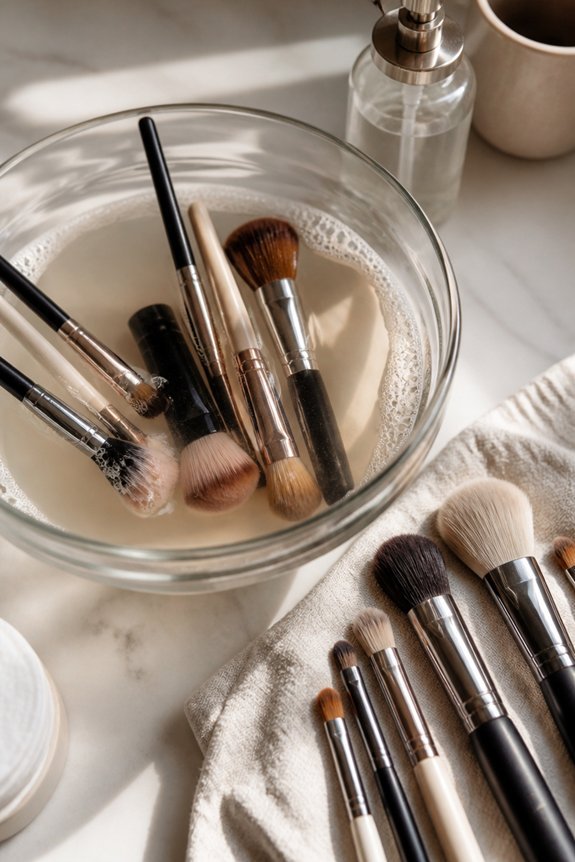
Pink eye spreads fast through contaminated surfaces. Your makeup brushes are basically bacteria magnets, collecting moisture and debris that help germs multiply. Using dirty brushes puts pathogens right back on your sensitive eyes, making recovery take longer.
Hot water alone won’t cut it. You need isopropyl alcohol or a specialized brush cleaner to actually kill bacteria and viruses. Skipping this step invites pink eye to come right back and puts anyone who borrows your makeup at risk too.
Replace vs. Disinfect: Make the Right Choice
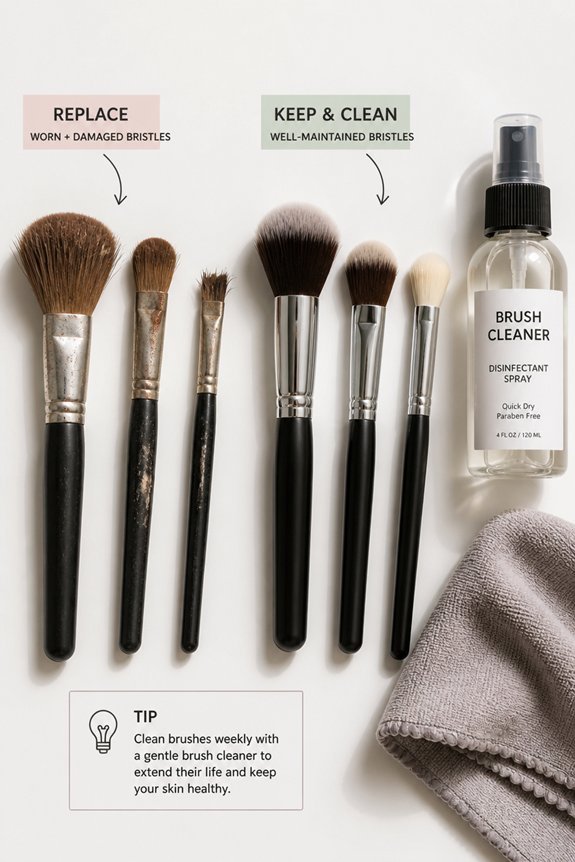
After pink eye clears up, you’ll need to make a call on your makeup brushes. The answer comes down to three things: how much your brushes cost, how bad the infection was, and what condition they’re already in.
High-end brushes with natural bristles are worth saving. Use isopropyl alcohol or a specialized brush cleaner to disinfect them properly. Budget brushes that already show wear? Replace them instead. Bacterial infections need stronger sanitization than viral ones, so factor that in too.
Here’s a quick rule of thumb: brushes under fifteen dollars should probably go in the trash. Premium brushes over fifty dollars make sense to clean and keep. Synthetic bristles handle heat disinfection better than natural fibers, which can get damaged easily.
Think about the big picture. Quality brushes last years if you take care of them. That’s worth the effort to disinfect properly. Cheap brushes won’t give you the same results anyway, so replacement often makes more financial sense.
Also Read: What Is Eye Makeup Primer
Pick the Right Disinfection Method for Your Brushes
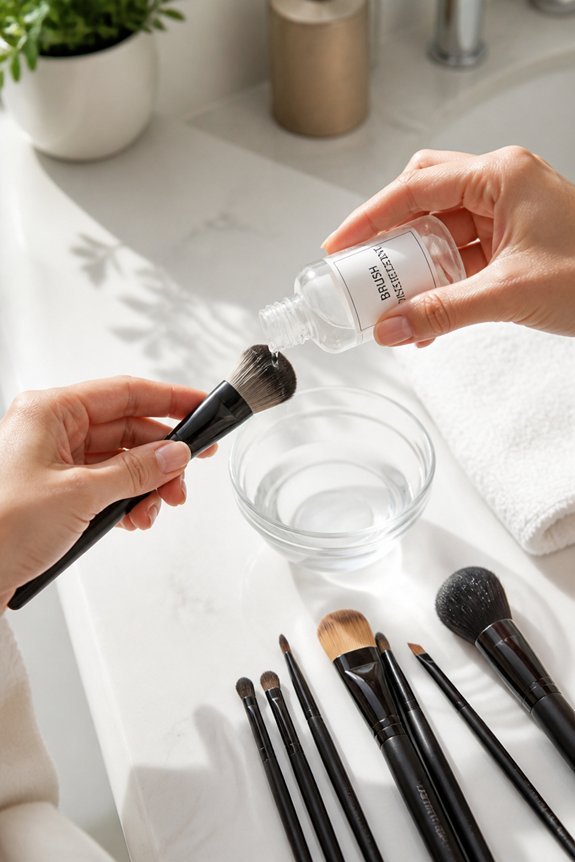
Got a bunch of dirty brushes? Let’s find the best way to clean them. Makeup brush cleaning machines do the heavy lifting for you. They use ultrasonic vibrations and disinfectant solutions to get your brushes spotless fast.
If you prefer hands-on cleaning, silicone wash mats are your friend. Pair them with antimicrobial soap and you’re golden. For tougher brushes with sturdy handles, boiling water works great. Just be careful with delicate bristles since the heat can damage them.
Many professional makeup artists swear by hospital-grade disinfectants made for cosmetic tools. These kill bacteria completely and keep your brushes in top shape.
Wash Brushes With Hot Water and Antibacterial Soap
Start by running warm water over your brush bristles. Grab antibacterial soap like Dial or Cetaphil and work it into a good lather. Make sure you get the soap through every part of the bristles, especially near the base where bacteria hide.
Rinse everything thoroughly under running water until all the suds are gone. Your bristles should feel clean and smooth with no leftover soap. Pat them dry with a clean paper towel, then lay them flat on a sanitized surface to air dry completely. The whole process takes about ten minutes per brush set.
Soak Brushes in Rubbing Alcohol or Vinegar Solution
Rubbing alcohol is your best bet for killing stubborn bacteria. Mix 70% isopropyl alcohol with water in equal parts and let your brushes soak for 5 to 10 minutes. The alcohol works deep into the bristles to eliminate pink eye bacteria.
Prefer something gentler? White vinegar works too. Just combine one part vinegar with three parts water. Both solutions break down bacterial membranes and get rid of hidden contaminants that regular washing leaves behind.
After soaking, rinse everything under running water and pat dry with clean paper towels. Let them air-dry completely before you use them again. Store them in a clean, dry container once they’re ready. Beauty professionals suggest doing this weekly if you’re recovering from an infection.
Deep Clean With a Brush Mat
A brush mat takes your cleaning routine further than soaking alone. These silicone pads have raised ridges and grooves that physically scrub away bacteria and makeup stuck in your bristles.
Use circular motions to massage your wet brushes across the textured surface. The friction does the heavy lifting, loosening particles that soaking misses. Spend about two minutes per brush and you’ll see real results.
Once you’re done scrubbing, rinse everything under running water until the water comes out clear. Combining this hands-on method with antibacterial soap creates a powerful one-two punch for sanitizing your tools before you use them again.
Air Dry Your Brushes Completely
After cleaning, let your brushes dry completely. Moisture is a breeding ground for bacteria and mold, so don’t skip this step. Stand them upright in a cup with bristles pointing down at a slight angle. This setup lets air flow around each bristle and keeps water from sitting near the metal ferrule.
Give your brushes 12 to 24 hours to dry fully. A well-ventilated spot away from direct sun works best. Laying them flat on towels causes bristles to warp and invites mildew. Rushing the drying process wastes all your sanitizing effort, so patience pays off here.
When You Can Use Your Brushes Again
Most dermatologists say to wait 48 to 72 hours after finishing antibiotics. Your eye needs this time to heal completely and clear the infection.
Check that you’ve taken all your medication. Your eye should feel good, with no discharge or redness before you start using brushes again.
Use fresh makeup and new products on sanitized brushes when possible. This cuts down any remaining contamination risk and keeps you safer.
Once your brushes are fully dry and the waiting period is over, you can use them normally. Make it a habit to disinfect your brushes weekly going forward. This simple step stops infections before they start.
Stop Reinfection: Daily Brush Care Habits
Stop Reinfection: Daily Brush Care Habits****
Your makeup brushes pick up bacteria, oils, and skin cells every single day. That’s why a solid cleaning routine matters so much for preventing pink eye and other infections. Do a deep clean once a week using gentle soap or a brush cleanser made for cosmetics.
Between full washes, spot-clean your brushes with makeup remover or antibacterial spray. Store them upright in a clean container where air flows freely. Damp environments are where bacteria love to grow, so good airflow makes a real difference.
Toss out brushes that are fraying or have discoloration. Keep your personal brushes separate from any shared ones. This simple habit protects your eyes and keeps your brushes in better shape for longer.
Frequently Asked Questions
Can I Disinfect Makeup Brushes in the Dishwasher Safely?
Dishwashers are not recommended for makeup brushes. The high heat and harsh detergents can damage bristles and loosen ferrules. Instead, one should hand wash brushes with antibacterial soap and warm water, then air dry completely.
How Long Does Pink Eye Bacteria Survive on Brush Bristles?
Conjunctivitis bacteria cling persistently to bristle fibers, surviving 24 to 48 hours in moist environments. Moisture retention within densely packed synthetic or natural hairs creates ideal conditions for bacterial proliferation and extended viability.
Should I Disinfect Makeup Brushes Used by Other People?
Yes, one should disinfect makeup brushes used by other people. Shared brushes pose significant infection risks, including bacterial and viral transmission. Regular disinfection with appropriate solutions prevents cross-contamination and maintains hygiene standards for all users.
Are Natural Disinfectants Like Tea Tree Oil Effective for Brushes?
Tea tree oil possesses antimicrobial properties and can reduce bacteria on brushes. However, professional disinfectants like isopropyl alcohol or specialized brush cleaners prove more effective and reliable for thorough sanitation purposes.
Can I Use the Same Brushes Immediately After Disinfecting Them?
A user thoroughly disinfected brushes with antibacterial soap but applied them immediately, reintroducing bacteria. Experts recommend waiting 24 hours post-disinfection to guarantee complete drying and pathogen elimination before reuse.
Conclusion
Properly disinfecting makeup brushes after pink eye prevents future infection. As the saying goes, an ounce of prevention beats a pound of cure. Committing to weekly deep cleaning and daily spot maintenance protects both eyes and skin. Quality brushes deserve proper care. Once brushes are thoroughly disinfected and completely dry, users can confidently resume their beauty routines while maintaining peak eye health and hygiene standards.