
Blepharoplasty requires strategic timing before resuming eye makeup. The incisions need 14 to 21 days of careful healing before any product touches the delicate skin. This waiting period is crucial for proper recovery and preventing infection.
When you’re finally ready to apply makeup, starting with hypoallergenic cream eyeshadows and pencil liners minimizes irritation. These gentler formulas are less likely to cause inflammation or allergic reactions on newly healed tissue.
Powder products should be avoided initially since they can penetrate the incision line more easily.
Most people stumble when they apply makeup incorrectly after surgery. Applying makeup with the same techniques used before blepharoplasty can compromise your results and slow healing. The technique matters as much as the products themselves.
Being patient with the process pays off in the long run. Follow your surgeon’s specific instructions about timing and product types for your individual case.
Proper application methods combined with the right products will help you maintain those beautiful surgery results.
When Can You Start Wearing Eye Makeup After Blepharoplasty?
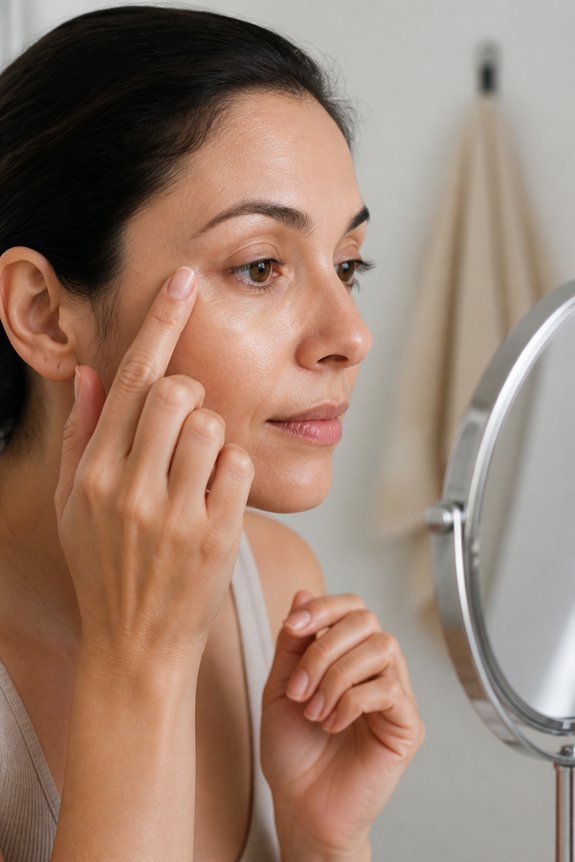
Most patients need to wait 7 to 10 days before putting on eye makeup after blepharoplasty. Your eyelids are still healing during this time and can easily get infected or irritated.
Around day seven, your incisions should be fully closed. That’s usually when your surgeon gives the green light to start wearing makeup again. Always check with your doctor first before you begin.
When you do get approval, take it slow. Use clean brushes and applicators every time. Cream eyeshadow is gentler than powder during early recovery because it doesn’t need as much rubbing.
Waterproof mascara is a smart choice in those first weeks. It stays put without you having to apply heavy pressure on the healing area. You can actually apply makeup to your brows and cheeks right away if you want. Just keep everything away from the incision line for about three weeks.
Red Flags: When to Delay Makeup Application
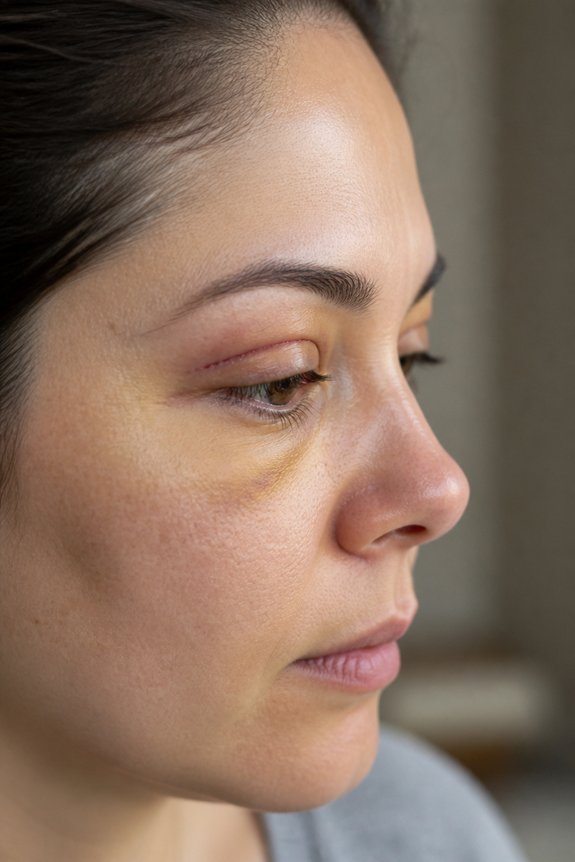
Your eye area needs more time if you notice persistent redness, swelling, or tenderness. Weeping or discharge from the incision site is another clear signal to hold off. These signs mean your skin is still actively healing underneath.
Crusting around your sutures? That’s a no-go for makeup. Bacteria can get trapped against healing tissue and cause real problems. Dark purple bruising also means you should wait longer before applying products.
Scabbing, sensitivity to light, or discomfort when you blink all tell the same story: your tissues aren’t ready yet. Open areas need to fully close and heal before anything touches them. When you’re unsure, ask your doctor at your follow-up appointment. They’ll let you know exactly when it’s safe to move forward.
How to Clean and Prime Your Healing Eyelids
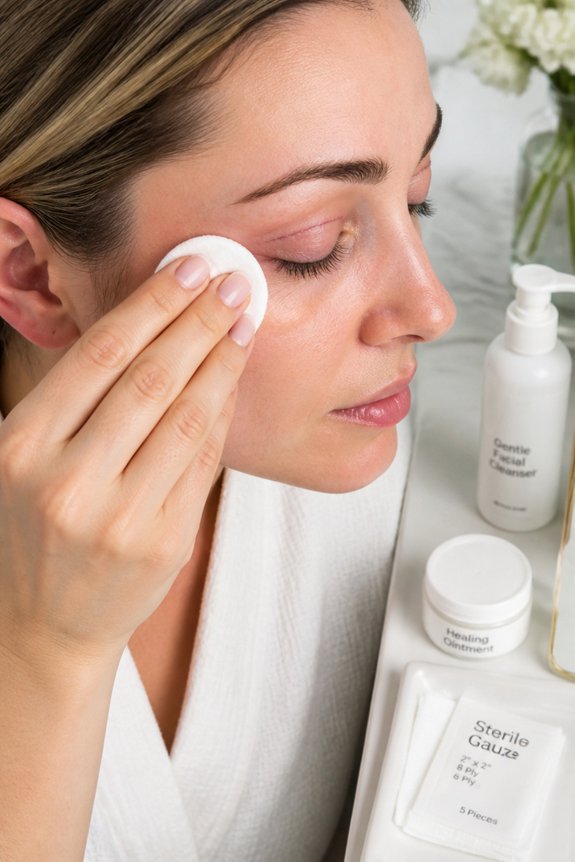
Start with lukewarm water and a gentle cleanser made for sensitive skin. Gently pat everything dry using a soft microfiber cloth. Skip the rubbing since your eyelids need extra care right now.
Next comes the primer. Look for one with hyaluronic acid or peptides to help your skin heal while creating a smooth makeup base. Let it sit for about two minutes so it bonds properly and stays in place. Silicone-based options work especially well if you’re planning to keep makeup on for several hours.
Which Makeup Products Are Safe for Post-Surgery Skin
Your eyelids need extra care while healing, so picking the right makeup matters. Hypoallergenic and fragrance-free products help prevent irritation and allergic reactions during recovery.
Mineral-based eyeshadows breathe better than heavy formulas. Cream shadows work best at first because they add moisture without particles that can irritate healing skin. Skip waterproof mascara for now and choose gentle, lengthening formulas instead. Pencil eyeliners are safer than liquid ones, which often contain harsh ingredients.
Look for products labeled “post-procedure safe” or “sensitive skin.” These typically have shorter ingredient lists and dermatologist testing. Stay away from retinoids, vitamin C, and acids for at least two weeks after surgery. Sticking to these basics keeps your skin safe while you recover.
Apply Eyeshadow Without Irritating Your Incisions
Cream eyeshadow is your best friend right now. Skip powders since they shed tiny particles that can land on your healing incisions and cause irritation.
Use a flat brush and stick to the lid area above your incision line. Leave the crease completely alone for at least two weeks. Pat the product on gently rather than swiping, which reduces friction on sensitive skin.
Neutral shades like taupe and soft bronze look great and won’t draw extra attention to your surgical site. Brands like Bobbi Brown and RMS Beauty create cleaner formulas that won’t migrate toward healing tissue.
At the end of the day, use micellar water on a soft cotton pad to remove everything. This method is gentle enough for recovering skin and won’t tug or pull at delicate areas.
Layer Eyeliner on Recovering Eyelids
Give your incisions time to fully close before touching eyeliner near the lash line. Two to three weeks is the typical window after surgery. This patience really does pay off for your final results.
Start with pencil eyeliner if you’re ready to apply makeup. It’s gentler than liquid and won’t tug at sensitive skin. Keep your lines thin and feathered rather than thick and bold.
Liquid liner takes a steadier hand and more time. Apply one thin coat, let it dry completely, then add another if needed. Waterproof formulas help avoid smudging without rough rubbing during removal.
Begin at the outer third of your lash line. This placement keeps you away from healing incisions along the lid crease where sensitivity is highest. You’ll feel more confident applying makeup this way.
Reintroduce Mascara Safely During Recovery
Hold off on mascara for four to six weeks after your procedure. Your eyelid skin is still healing and needs time to become less sensitive. Starting too early can cause irritation and complications.
When you’re ready, pick a waterproof formula. These need less pulling during removal, which is gentler on your healing skin. Apply just one thin coat along your upper lash line using a clean wand and soft upward strokes.
Stick with lengthening mascara through week eight instead of volumizing products. Heavy formulas demand aggressive scrubbing, which isn’t ideal for delicate post-surgery skin. Around week eight, you can safely switch to volumizing mascaras if you want darker, fuller lashes.
Remove your mascara with oil-based cleansers. Skip the tugging and rubbing that can stress your surgical site. This simple step protects your results while letting you enjoy that polished look again.
Remove Eye Makeup Gently Every Night
Your nightly makeup removal routine is key to protecting your healing eyes. Gentle removal prevents damage to delicate tissues and keeps your surgical results looking their best.
Start by soaking a cotton pad with micellar water or oil-based cleanser. Hold it against your closed eyelids for about ten seconds to let the product break down makeup. This simple pause makes all the difference because it softens buildup without you having to rub. Then rinse with lukewarm water and pat your eyes dry. Never rub, as this can stress your skin.
Pick a cleanser that works. Bioderma Sensibio H2O and Clinique Take The Day Off are gentle choices that won’t irritate healing skin. After cleansing, use a lightweight hydrating toner to restore moisture. This helps your skin recover properly and keeps your surgical results intact during the healing process.
Nine Mistakes That Ruin Your Surgery Results
Your blepharoplasty results depend heavily on what you do during recovery. Let’s look at the biggest mistakes people make and how to avoid them.
Makeup Timing Matters Most
Jumping into makeup too quickly is the #1 reason healing goes wrong. It blocks your skin from breathing and opens the door to infection. Give yourself at least one to two weeks before even thinking about applying anything near your eyes.
Handle Your Eyes With Care
Rubbing or pulling at the eye area damages fresh tissue underneath. Even gentle tugging causes extra swelling that can stick around for weeks. Be as gentle as possible when washing your face around the surgical site.
Upgrade Your Tools
Old makeup brushes harbor bacteria that can contaminate healing incisions. Throw out your old applicators and start fresh with new, clean ones. This simple step prevents serious complications.
Skip Heavy Foundations
Thick products pressed around the eyes cause creasing and irritation on sensitive post-surgery skin. Keep the area bare and let it breathe instead. Your skin will thank you.
Avoid Waterproof Formulas Early On
Waterproof makeup requires harsh scrubbing to remove, which damages your surgical results. Wait several weeks before using these products. Regular formulas work fine during recovery.
Sun Protection Is Non-Negotiable
UV rays darken scars permanently if you skip sunscreen. Apply SPF 30 or higher daily, even on cloudy days. This protects your investment and keeps scars lighter.
Go Easy on Dark Eyeshadow
Dark shadows highlight every asymmetry and imperfection while everything is still settling. Choose neutral or lighter shades instead. Your final results will look better once swelling fully resolves.
Frequently Asked Questions
Can I Use My Old Makeup Products, or Should I Buy New Ones After Surgery?
New makeup products are recommended after blepharoplasty. Old products may harbor bacteria that could contaminate healing incisions. Purchasing fresh cosmetics minimizes infection risk and guarantees maximum safety during the post-operative recovery period.
Will Eye Makeup Application Affect My Surgical Results or Scar Appearance Long-Term?
Proper eye makeup application does not negatively affect surgical results when applied after complete healing. However, premature application or poor hygiene techniques can compromise scars, potentially causing infection or irritation that impacts final appearance.
How Do I Adapt My Makeup Routine if I Have Asymmetrical Eyelid Healing?
Like a painter adjusting their canvas to imperfections, one should apply heavier makeup to the slower-healing lid while using lighter application on the advanced side. Strategic shading and contouring create visual symmetry until healing equalizes.
Are There Specific Makeup Brands Recommended by Surgeons for Post-Blepharoplasty Patients?
Most surgeons recommend hypoallergenic, fragrance-free brands like Clinique, Bare Minerals, or medical-grade lines. They prioritize gentle formulas over specific brands, emphasizing products labeled non-comedogenic and ophthalmologist-tested for sensitive post-surgical skin.
Can Makeup Application Cause Complications Like Infection or Delayed Wound Healing?
Makeup application dramatically increases infection risk during early healing stages. Bacteria from brushes and products infiltrate delicate incisions, potentially causing serious complications. Surgeons universally recommend waiting 1-2 weeks before any cosmetic application near surgical sites.
Conclusion
Restoring your eye makeup routine after blepharoplasty requires patience and precision, like carefully layering a delicate soufflé. Follow your surgeon’s timeline. Use hypoallergenic products. Avoid the incision crease. Remove makeup gently nightly. Prioritize sun protection throughout healing. These practices guarantee ideal results and protect your investment. Your beautiful eyes deserve thoughtful care during recovery.