
Let’s get something straight—makeup is supposed to make you feel good, not confused. But between skin types, undertones, face shapes, TikTok trends, and whatever that “baking” nonsense was (don’t get me started), most women end up guessing and wasting money.
I’ve spent years testing foundations that melted off by noon, eyeshadows that made me look like I’d been in a bar fight, and “universal” products that worked for… well, apparently no one.
After experimenting on my own face, I’ve learned that the key is knowing your makeup type. Once you figure that out, everything gets easier.
Let’s break it down.
Discover Your Makeup Type
Your Makeup Type!
Step 1: Figure Out What Kind of Skin You Have
This is where it all starts. If you don’t know your skin type, everything else becomes a guessing game. And no, your skin being “weird” isn’t a type. Let’s break it into five easy ones:
Oily skin means your face gets shiny or greasy quickly, especially around your nose and forehead. You probably blot with a tissue by lunch.
Dry skin feels tight, gets flaky, and makeup tends to look patchy or cling to rough spots.
Combination skin is oily in the T-zone (forehead, nose, chin) and dry or normal on the cheeks. Basically, your face is doing two things at once.
Normal skin doesn’t feel too oily or too dry—lucky you.
Sensitive skin gets red easily, reacts to products, and may sting or burn when trying new stuff.
A quick trick: Wash your face with a gentle cleanser, skip the moisturizer, and wait an hour.
If it feels tight, it’s dry.
If you’re shiny, it’s oily.
If your T-zone is shiny but cheeks are fine, it’s combo.
If you feel okay and look fresh—normal.
If anything itches, stings, or turns red—sensitive.
Skin type isn’t just a label—it’s your starting point. Once you know it, you’ll stop buying the wrong foundation and blaming yourself.
Step 2: Know Your Skin Tone and Undertone
This is where people get confused—understandably. Your skin tone is how light or dark your skin is. Think fair, light, medium, tan, or deep. Your undertone is the color beneath your skin, and it affects how makeup shows up on you.
There are three basic undertones:
- Warm: You lean more golden, peachy, or yellow.
- Cool: You have pink, red, or blueish tones.
- Neutral: You’re a mix—neither warm nor cool.
To figure it out, try these easy tricks:
Look at the veins on your wrist. Are they greenish? You’re probably warm.
More blue or purple? Likely cool.
Can’t tell or a bit of both? You’re neutral.

Another one: Think about how your skin reacts to the sun. Do you tan easily? You’re probably warm. Burn first? Probably cool.
And then the fabric test: Hold something pure white and then something off-white or ivory near your face in natural light. If pure white makes you glow, you’re cool. If ivory suits you better, you’re warm.
For years, I wore a cool-toned foundation that made me look slightly grey. My husband let me go through three bottles before saying, “Babe… are you doing that on purpose?” Rude. But helpful.
Step 3: Understand the Shape of Your Face and Eyes
Your face shape changes how makeup looks on you, especially blush, contour, and highlight. Ever seen someone’s contour look amazing—and on you, it looks like dirt? Yep. Face shape.
Here are the basics:
- Round face: You’ve got full cheeks and your face is about as wide as it is long. You’ll want to lift and lengthen with contour.
- Oval face: Slightly longer than it is wide. Very balanced—almost anything works.
- Square face: Strong jawline and broad forehead. Contour softens edges.
- Heart-shaped face: Wider at the forehead, narrow at the chin. Blush should balance top and bottom.
- Long face: Your face is noticeably longer than it is wide. Contour can shorten and add width.
Now let’s talk eyes. The shape of your eyes changes how you apply eyeshadow, eyeliner, and even lashes.
Hooded eyes have a fold of skin that hides the lid—so glittery shadow often disappears.
Monolids don’t have a visible crease. Blending takes a different technique here.
Almond eyes are slightly lifted at the outer corners—most eyeshadow styles suit this shape.
Round eyes are big and open—you’ll want to elongate and lift.
I have slightly hooded eyes, and for the longest time I couldn’t figure out why my eyeshadow just vanished. Then I learned to apply it above the crease—not in it—and it finally showed up.
Step 4: Find Your Makeup Style Vibe
Now that you’ve got your features figured out, let’s talk style. Because makeup isn’t just about structure—it’s also about vibe.
There’s a fun system called makeup archetypes, and it helps you find your personal makeup “style type.”
Here are a few common ones:
- Ingenue: Soft, sweet, fresh-faced. Think K-beauty, light blush, glossy lips.
- Classic: Neat and timeless—neutral shadows, red lips, nothing overdone.
- Dramatic: Bold, confident, sharp lines, strong contour. Think model-off-duty.
- Natural: Barely-there, glowy skin, tinted moisturizer, a little cream blush.
- Romantic: Feminine, soft glam, rose tones, fluttery lashes.
- Ethereal: Light, dreamy, sparkly, airy—like a fairy in Sephora.
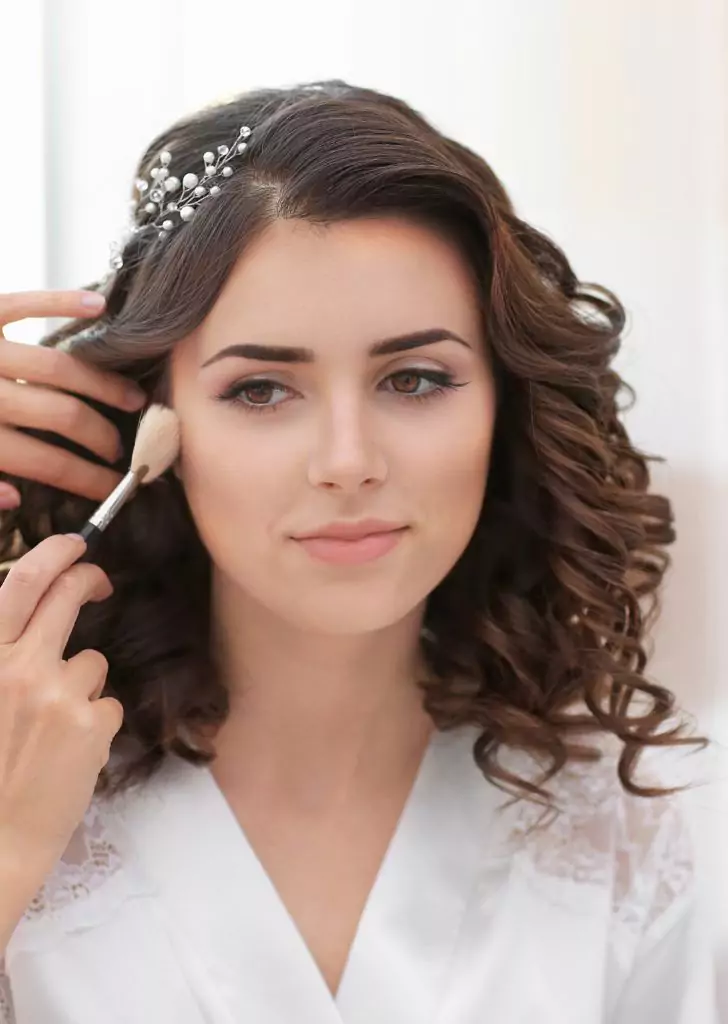
You’re probably a mix. I’m a Romantic-Ingenue hybrid. My husband calls it “your date-night face,” which is fair since I wear it even when we’re just going to Costco.
Figure out which one feels like you—not just what’s trendy.
Step 5: Pull It All Together into Your Makeup Type
Now that you know your skin type, tone, undertone, face shape, eye shape, and style vibe—you’ve basically unlocked your custom makeup guide.
Write it down like this:
- Skin Type: Combo
- Skin Tone: Medium
- Undertone: Neutral
- Face Shape: Heart
- Eye Shape: Hooded
- Makeup Style: Romantic + Natural
From here, picking makeup becomes easier. You know matte foundations won’t cling to dry patches, you know peach tones will flatter your undertone, and you’ll stop wasting time on trends that don’t work for your features.
When you see a TikTok look, ask: Does this work for my type? If not—skip it. Or tweak it to suit you.
And if you want extra help, there are some surprisingly good selfie analysis tools that give suggestions based on your features. Just don’t trust them blindly.
Conclusion
The best makeup isn’t about looking like someone else—it’s about enhancing what’s already there. Once you know your makeup type, everything gets easier: buying products, applying them, and most of all—feeling good in your skin.
So stop trying to copy every beauty influencer and start focusing on you. Your face, your type, your beauty.
And hey, if you try this and still feel stuck, you’re not alone. We all go through that awkward phase before things click.
If nothing else, at least now you won’t buy another foundation that makes you look like a powdered donut.