
Eye makeup allergies can throw a wrench into your daily beauty routine. The irritation might stem from preservatives, fragrances, or pigments hiding in your favorite products.
Once you notice symptoms like itching, redness, or swelling, stopping use right away is your first line of defense.
Identifying the specific trigger takes some investigative work. Try eliminating one product at a time to pinpoint whether the mascara, eyeshadow, or eyeliner is causing the problem.
Keep notes on which products you use and when symptoms appear or disappear.
Different formulations affect people differently. Some individuals react to waterproof mascaras while tolerating regular versions, or vice versa.
Hypoallergenic and fragrance-free options are worth testing since they eliminate common irritants.
Prevention becomes easier once you know your sensitivities. Choose products labeled as ophthalmologist-tested and avoid brands with long ingredient lists.
Patch testing new makeup on a small area before full application can save you from future discomfort.
Stop Using the Problem Product Immediately
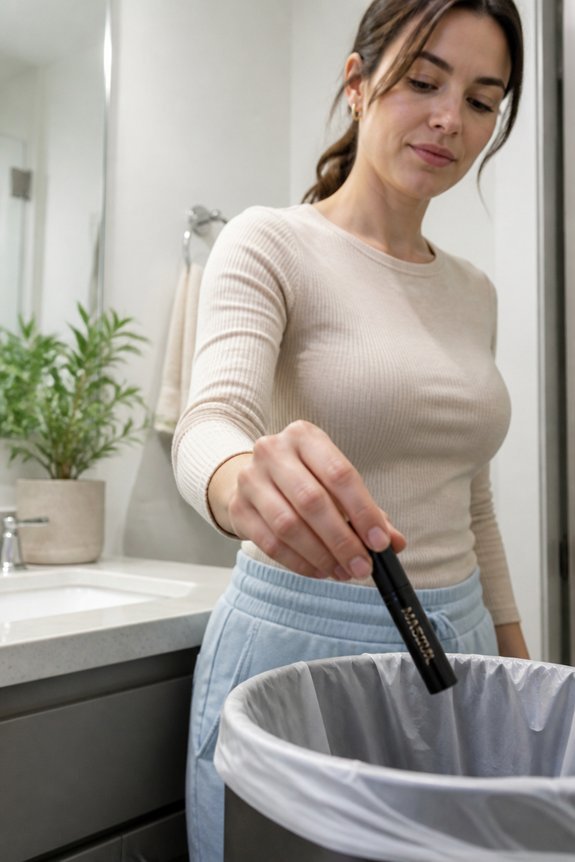
First things first: stop using it right now. Your eyes need a break from whatever is causing the reaction. Keep applying it will only make the inflammation and irritation worse.
Gently wash your eye area with a fragrance-free makeup remover or micellar water. Skip the rubbing and use soft, patting motions instead. Dry your skin with clean hands, not rough towels.
Put that product somewhere you won’t accidentally grab it again. Out of sight really does help when you’re in autopilot mode. Whether it’s mascara, shadow, or liner, you need a complete break from it.
Dermatologist Dr. Sarah Chen points out that prolonged exposure just delays healing and can create lasting sensitivity. The good news? You can swap it for a gentler option. Try hypoallergenic brands like bareMinerals or Physician’s Formula designed for reactive skin.
This simple switch lets your eyes recover while you keep up with your beauty routine. Your skin will thank you for the break.
How to Conceal a Black Eye With Makeup
Soothe Irritated Eyes With Cold Compresses
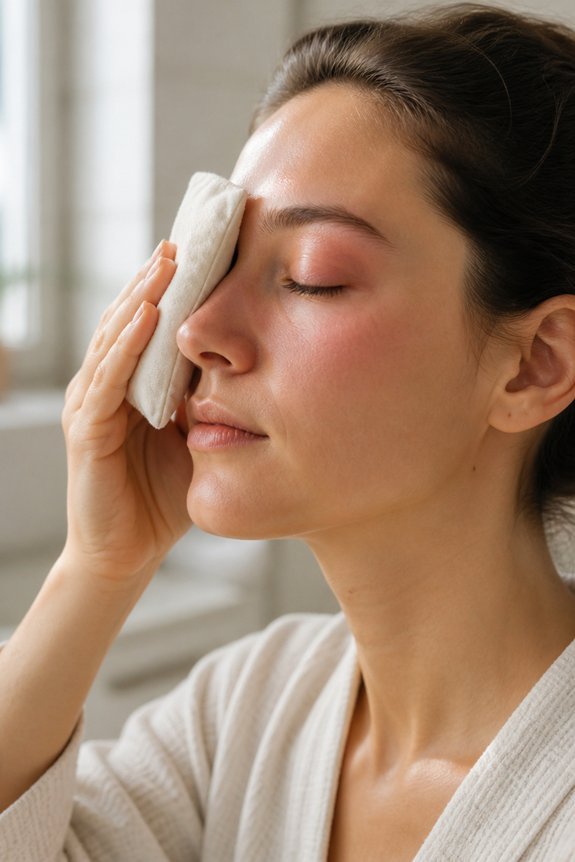
Start with ice wrapped in a soft cloth and apply it for 10-15 minutes, several times a day. Your goal is to reduce swelling and numb the discomfort. Never put ice directly on your delicate eye skin.
Gel masks from the refrigerator work great for this. You can also try chilled spoons, which is simple and free. Just pop two spoons in the fridge overnight and press them gently against your closed eyes each morning.
Cool chamomile tea bags are another smart option. Steep them in hot water first, then refrigerate them and rest them on your eyes for 15 minutes. The natural compounds calm inflammation while soothing irritation at the same time.
Use Preservative-Free Eye Drops for Relief
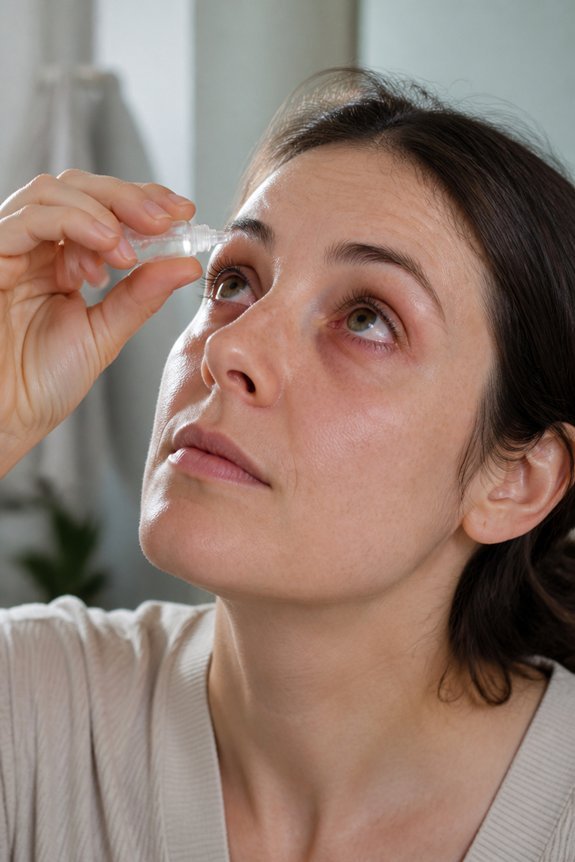
Preservative-free eye drops are your best bet when irritation won’t go away. They skip the harsh chemicals that make things worse and cause more inflammation.
Try Refresh Optive Preservative-Free or Systane Ultra PF. Both keep your eyes moist without the irritating stuff. They work by restoring your tear film so your sensitive eyes feel better faster.
Apply drops every two to three hours while symptoms are bad. You can use them less often as things improve. The individual vials stay clean between uses, and the formulas soak in quickly without any sticky residue left behind.
Know When to See an Allergist
Persistent eye makeup irritation that sticks around for more than two weeks? Time to call an allergist. If you’re noticing redness, swelling, or discharge even after switching products, that’s your sign that professional help makes sense.
An allergist can run patch tests to figure out exactly what’s bothering your eyes. Nickel in applicators, fragrance compounds, and preservatives are common culprits. Once you know your specific triggers, you can avoid them altogether.
Seek immediate care if symptoms feel serious. Extreme swelling, vision changes, or intense itching shouldn’t wait. Your allergist can recommend hypoallergenic brands or stronger treatments if needed.
Stop the guessing game with makeup trial and error. Getting a professional assessment gives you real answers instead of just hoping the next mascara works. You’ll pick products confidently and enjoy your beauty routine without worry.
Identify What’s Triggering Your Eye Makeup Allergy
Your eyes are itching, red, or puffy. Time to find out why. Start by checking your product labels for common culprits like parabens, fragrances, and formaldehyde releasers.
Keep a simple log of which products bother your eyes. Write down when the reaction happens. Itching that starts right away usually means preservative sensitivity. Redness that shows up later often points to pigments.
Switch to hypoallergenic options one at a time. Clinique and Physician’s Formula make fragrance-free versions that many people tolerate better. Give each new product three days before trying another change. This way you’ll know exactly what’s causing the problem.
Before using anything near your eyes, test it behind your ear first. This small step catches reactions before they hit your delicate eye area. If you’re still struggling to find answers, ask a dermatologist for allergy testing. They can pinpoint your exact sensitivities and save you from future frustration.
Switch to Mineral-Based Eyeshadow and Eyeliner
Traditional eyeshadows and liners pack synthetic dyes and chemical binders that often trigger allergic reactions. Mineral-based formulas skip those irritants by using natural pigments like iron oxides and titanium dioxide instead. Brands such as Bare Minerals and Physician’s Formula specialize in hypoallergenic options that calm your skin while still delivering beautiful color.
How do mineral products actually work? They stick to your skin through physical properties rather than chemical adhesives, which means less inflammation and irritation. Your skin gets relief without any compromise on wear time or color intensity.
The way you apply these products makes a real difference. A damp brush gives you intense pigment, while dry application creates a sheer, lighter look. Build up thin layers gradually to reach your ideal coverage and avoid that uncomfortable product buildup that sometimes happens with regular makeup.
Quality mineral options deliver genuine comfort and stunning results. You don’t have to choose between protecting your skin and looking great.
Choose Fragrance-Free and Hypoallergenic Makeup
Looking for makeup that won’t irritate your eyes? Fragrance-free and hypoallergenic products are your answer. These formulas skip synthetic fragrances and common irritants that cause allergic reactions, especially around the delicate eye area.
Brands like Clinique and Physicians Formula test their hypoallergenic eyeshadows carefully. They leave out parabens, sulfates, and artificial dyes that can damage sensitive skin. Your eyes deserve products that protect, not provoke.
Mascaras are trickier since they sit directly on your lashes. Fragrance ranks as one of the top contact allergens in makeup. Switching to unscented options makes a real difference in reducing redness and discomfort.
Check those ingredient lists before buying. Look for certifications that confirm hypoallergenic status. Many brands now offer clean formulas that look good and feel gentle, making eye makeup easier for sensitive skin.
Patch Test Every New Product
Your skin is unique. Even hypoallergenic makeup can cause reactions on your specific skin type. A quick patch test takes just two days and saves you from bigger problems.
Pick your inner arm or the skin behind your ear. Apply a small amount of the product there and wait 24 to 48 hours. Watch for redness, itching, or swelling during this time.
Start a simple notebook or phone note about each product you test. Write down what you tried and how your skin responded. Include any ingredients that caused irritation. This becomes your personal guide to what works for you.
Fragrances, preservatives, and certain pigments often trigger sensitivity. Your notes help you spot the real culprits. Over time, you’ll know exactly which ingredients to avoid.
Testing new products, even from brands you trust, protects your skin health. It’s a small habit that makes a real difference in how comfortable your makeup feels.
Create a Safe Makeup Rotation Schedule
Start by organizing the products your skin loves. Rotating makeup gives your skin breathing room and cuts down on irritation.
Try this simple schedule: Use eyeshadow palettes Monday through Wednesday. Switch to cream products on Thursday and Friday. Save weekends for going light on eye makeup or skipping it entirely.
Dermatologist Dr. Susan Chen points out that alternating products lets skin recover between applications. Write purchase dates on your containers so you know how old everything is. Toss mascara every three months and liquid liners every six months.
Keep a simple spreadsheet of which brands work for you. Track when you use each product and note any irritation that pops up. Store your rotation items in separate containers so you don’t accidentally grab something that bothers your skin.
This system helps you maintain a collection that’s safe, varied, and truly yours.
Replace Old Makeup and Disinfect Your Brushes
Old makeup and dirty brushes collect bacteria that cause irritation and allergic reactions. Swap out mascara every three months. Eyeshadow and liners should go after six months max. Bacteria buildup really does speed up inflammation.
Keep synthetic brushes fresh by rinsing them weekly with gentle cleanser and lukewarm water. Let them air-dry completely before using again. Natural hair brushes need monthly conditioning to stay soft and remove buildup. Replace all brushes every six to twelve months to stop product from accumulating.
Real Techniques and Sigma make solid, affordable brush sets that last. Taking care of your tools now saves you from painful allergic reactions later. A little maintenance keeps your eyes healthy and your routine safer long term.
Frequently Asked Questions
How Long Does It Typically Take for Eye Makeup Allergy Symptoms to Disappear?
Eye makeup allergy symptoms typically resolve within 24 to 72 hours after discontinuing the offending product. However, severe reactions may persist for one to two weeks, depending on the individual’s sensitivity level and skin condition.
Can Eye Makeup Allergies Develop Suddenly Even After Using the Same Product for Years?
Yes, eye makeup allergies can develop suddenly despite years of product use. Skin sensitivity may change due to aging, immune system fluctuations, or cumulative ingredient exposure. Additionally, manufacturers sometimes alter formulations, introducing new allergens previously absent.
What’s the Difference Between an Eye Makeup Allergy and Contact Lens Irritation?
Contact lens irritation typically triggers temporary tearing and redness from physical friction or deposits, while cosmetic complications cause chronic itching, swelling, and inflammatory reactions from allergenic ingredients. Lens-related problems persist mainly with prolonged wear.
Are Expensive Makeup Brands Less Likely to Cause Allergic Reactions Than Drugstore Brands?
Price does not determine allergenicity. Both expensive and drugstore brands can trigger allergic reactions. Allergens depend on specific ingredients rather than cost. Individuals should check ingredient lists and perform patch tests regardless of brand price point.
Can Underlying Eye Conditions Like Dry Eye Syndrome Worsen Makeup Allergies?
Yes, underlying eye conditions like dry eye syndrome can worsen makeup allergies. Compromised eye barriers reduce protective mucus layers, allowing allergens deeper penetration. This intensifies allergic responses, causing increased inflammation, irritation, and symptoms severity.
Conclusion
Managing eye makeup allergies requires commitment to prevention and awareness. By identifying triggers, switching to hypoallergenic products, and maintaining clean makeup tools, individuals reclaim their beauty routine confidently. But isn’t knowing your skin’s specific sensitivities the ultimate foundation for flawless application? With patch testing and strategic product rotation, allergen-free glamour becomes achievable, transforming frustration into empowered self-care.